
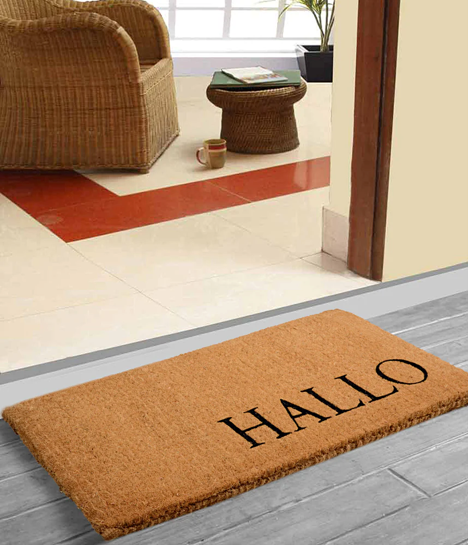
A building entrance gets plenty of attention, even when nobody really thinks about it. People walk in carrying dust, sand, rainwater and bits of dirt from outside, and before long the floor starts looking tired. That is where coir mats can make a real difference, giving visitors a simple place to wipe their shoes while helping keep the inside of a building cleaner.
Why Entrance Mats Matter
It is easy to underestimate how much dirt comes through a doorway every day. In busy offices, shops, apartment blocks and public buildings, dozens or even hundreds of people may walk through the same entrance.
Without a proper mat, that dirt ends up being spread across the floor. Apart from making the space look untidy, it can mean more sweeping and mopping for whoever is responsible for cleaning.
A good entrance mat helps catch some of that mess before it travels further inside. It is a small addition, but one that can make the daily cleaning routine feel much easier.
What Makes Coir a Useful Choice?
Coir comes from coconut husk fibres, which gives it a naturally rough and firm texture. That texture is useful at entrances because it helps scrape dirt from the soles of shoes as people walk across the mat.
There is also something appealing about the natural look. Coir has a warm, earthy appearance that can suit everything from older buildings to modern offices. It does not have to look overly formal to still give an entrance a neat and finished feel.
For businesses that prefer natural looking materials, it can be a practical option without making the entrance feel cold or overly commercial.
Good for Busy Entrances
Not every entrance has the same level of foot traffic. A small office may only see a few people coming and going each day, while a retail store, hotel or apartment building can have a steady stream of visitors.
For busier areas, the mat needs to be positioned where people naturally step as they enter. A mat that is tucked away in a corner will not do much. Ideally, it should cover enough of the entry path for people to actually use it.
It is also worth considering what is outside the building. If the entrance opens directly onto a dusty pavement or an area that gets muddy during rain, a proper scraping surface becomes even more useful.
Keep Maintenance Simple
Even a good entrance mat needs a bit of attention. Dirt can build up in the fibres over time, so regular brushing or vacuuming is important.
If the mat becomes very wet, it should be allowed to dry properly rather than staying damp for long periods. Giving it regular care can help keep the entrance looking fresh and prevent dirt from being carried further inside.
For larger buildings, it may also be worth considering a matting supplier that supplies durable commercial and residential mats for different types of spaces and foot traffic.
Getting the Size Right
Choosing the right size is one of those small details that can make a big difference. If the mat is too short, people may step over it before they have properly wiped their shoes.
A wider and longer mat can give people more opportunity to remove dirt and moisture from their footwear. Of course, the available entrance space matters too, so the mat should fit naturally without becoming an obstacle.
It is also worth checking whether doors can open freely over the mat. A simple measurement before buying can save plenty of frustration later.
A Simple Step Towards a Cleaner Space
Keeping an entrance clean does not always require complicated solutions. Sometimes, the basics work perfectly well.
A suitable natural mat can help reduce the amount of dirt entering a building, make routine cleaning easier and give visitors a more welcoming first impression. With sensible placement and regular care, it can become one of those everyday features that quietly does its job without needing much attention.
A cleaner entrance starts with the first few steps, and making those steps count is a practical choice for almost any building.
Leave a Reply