
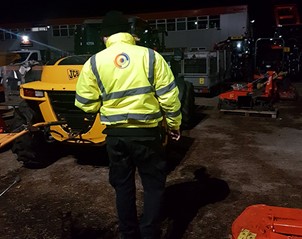
There is something quietly reassuring about seeing a real person keeping watch. In a world where everything feels automated, from doors to cameras to alerts, that human presence still hits different. You walk into a building, spot a trained guard at the entrance, and somehow the place already feels more secure. It is not just about security, it is about awareness, judgment, and that subtle sense that someone is actually paying attention.
A lot of businesses today rely heavily on tech, and sure, it helps. But there are moments when a camera just cannot make a call, or when an alarm does not quite understand context. That is where people step in. Real people who are trained, licensed, and experienced enough to read situations before they turn into problems.
Technology works on patterns. Humans work on instinct, training, and experience layered together. That difference matters more than most people realize. A trained guard does not just watch a screen, they observe behavior, notice shifts in tone, and pick up on things that do not feel right.
Think about it. A camera might record someone loitering. A guard might notice that the same person has been circling the building for twenty minutes and decide to approach. That small decision can prevent something bigger from unfolding.
When businesses bring in Manned Guarding Services, they are not just filling a position. They are adding a layer of intelligence that is active, responsive, and constantly adapting.
A common misconception is that guards just stand around checking badges or watching entrances. That is a tiny part of the story. Good guarding is structured, planned, and surprisingly dynamic.
Guards are often trained to handle access control, monitor surveillance systems, respond to emergencies, manage crowd situations, and even provide customer-facing support when needed. In many environments, they become the first point of contact, which means they also shape how people experience the space.
And that matters more than it sounds. A calm, alert presence can make employees feel safer, visitors feel welcomed, and potential troublemakers think twice.
Not every guard brings the same level of value. The difference usually comes down to training, licensing, and mindset. A licensed professional has gone through the kind of preparation that sharpens both technical and situational skills.
But beyond that, the best guards tend to share a few traits. They stay alert without looking tense. They communicate clearly without escalating situations. And they know when to step in and when to observe.
If you are thinking about security for your space, it helps to look beyond just numbers or cost. Pay attention to how well the team is trained and how seriously they take their role. That tells you a lot.
It is not really about choosing between humans and tech anymore. The smartest setups combine both. Cameras, alarms, and access systems handle the heavy lifting, while guards provide the thinking layer on top.
For example, a system might flag unusual movement after hours. A guard can verify if it is a cleaning crew running late or something that needs immediate attention. That quick judgment saves time and prevents unnecessary panic.
This balance also makes the whole setup more efficient. You are not relying entirely on one approach, which reduces blind spots.
A lot of security issues do not come from major failures. They come from small gaps that build up over time. Maybe a door is left unchecked, or a visitor protocol is not followed properly. These things seem minor until they are not.
Having someone on-site who is actively managing these details changes everything. Guards can reinforce routines, remind staff of protocols, and step in when something slips through.
It is not about being strict or controlling. It is about keeping things consistent so that risks do not quietly grow in the background.
One of the most underrated aspects of human guarding is visibility. Just knowing that someone is there can deter unwanted behavior. It is simple psychology.
People tend to act differently when they know they are being observed, especially by another person rather than a machine. That visible presence often stops problems before they even start.
Later on, when businesses evaluate their setups, they often realize that the presence of trained personnel played a bigger role than they initially thought. That is why many still turn to Manned Guarding Services even with all the tech available today.
At the end of the day, security is not about ticking boxes. It is about creating an environment where people feel safe enough to focus on what they need to do. That could be working, visiting, or simply moving through a space without worry.
You do not need the most complicated system in the world. You just need the right mix of tools and people who know how to use them well. And sometimes, that starts with something as simple as having a trained guard on-site who understands the space and the people in it.
There is a lot of noise around automation and smart systems right now. Some of it is useful, some of it is just hype. But the value of a trained human presence has not faded. If anything, it stands out more in a world that feels increasingly distant and digital.
So if you are ever rethinking how security fits into your space, do not overlook the basics. Sometimes the most effective solutions are the ones that feel the most human.
Leave a Reply