
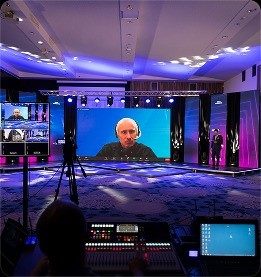
A few years back, most churches only thought about livestreaming when they absolutely had to. It felt temporary, rushed, and honestly a bit awkward at times. Now things have changed completely. Online ministry has become part of how churches stay connected with people every single week, whether someone is travelling, unwell, working shifts, or simply exploring faith quietly from home before stepping into a building.
What many ministries are learning is that streaming is not really about cameras or software anymore. It is more about making people feel included, even through a screen. The churches doing this well are usually not the flashiest ones either. They are simply the ones creating a calm and welcoming experience that people can rely on.
Creating Better Online Church Experiences Without Overcomplicating It
One of the biggest misconceptions around church media is the idea that everything needs to look like a television production. In reality, viewers care much more about feeling connected than seeing dramatic lighting or expensive graphics.
Start With Clear Audio And Consistency
Good sound changes everything. People can overlook average video quality, but poor audio makes viewers switch off quickly. A clean microphone setup and balanced sound mix instantly make services feel more professional and easier to follow.
Consistency matters too. When streams start on time every week and run smoothly without constant interruptions, people begin trusting the experience. That reliability quietly builds stronger online engagement over time.
Many ministries using church streaming services have discovered that simplifying the technical side often helps volunteers and leadership teams focus more on ministry itself rather than constantly fixing problems before service begins.
Keep Volunteers Comfortable And Confident
A common mistake churches make is handing complicated systems to volunteers with very little training. That usually creates stress for everyone involved. The healthier approach is building simple workflows that people can learn gradually.
One volunteer can manage sound, another handles slides, while someone else monitors the livestream feed. When responsibilities feel manageable, the whole atmosphere behind the scenes becomes calmer and more organised.
Think Beyond Sunday Morning
Churches seeing real online growth are usually the ones creating content outside regular services as well. Short devotionals, worship sessions, youth discussions, interviews, and community updates help people stay connected throughout the week.
This shift has also encouraged some ministries to explore roku tv channel development for churches as part of creating a more accessible viewing experience for families watching from home. People now consume content through smart TVs far more than laptops, so meeting audiences where they already are makes everyday ministry feel more natural.
Make Online Members Feel Included
One surprisingly important detail is acknowledging online viewers directly during services. Even a simple welcome at the start changes the tone completely. People watching remotely stop feeling like outsiders and start feeling part of the church community itself.
Replying to comments, sharing prayer requests, and encouraging interaction also help online ministry feel genuine rather than one-sided. Those small touches matter more than many churches realise.
Conclusion
Church streaming is no longer just a technical project sitting quietly in the background. It has become a meaningful part of how churches care for people beyond the walls of the building. When ministries focus on connection, consistency, and simplicity, online services start feeling less like broadcasts and more like real community.
Leave a Reply