
Running a small business already feels like juggling ten things at once, so security can easily slip into the background. It is one of those things you only really think about when something goes wrong. But the truth is, a few smart changes now can save you from a lot of stress later. You do not need to turn your place into a high tech fortress either. Most of the time, it is about being a little more aware and making practical choices that actually fit your day to day routine.
If you have ever locked up at night and wondered if everything is really safe, you are not alone. That small doubt is exactly where better habits and simple upgrades come in.
It sounds almost too simple, but doors and locks are still the first line of defense. Many small businesses stick with whatever was installed years ago and never revisit it. Over time, locks wear down, keys get copied, and things just get less reliable.
Take a walk around your space like you are seeing it for the first time. Check back doors, side entrances, storage rooms. If something feels loose or outdated, it probably is. Reinforcing entry points is not flashy, but it makes a real difference. Even just upgrading to stronger deadbolts or adding better door frames can quietly improve your overall safety.
Good lighting is one of those upgrades that people underestimate. A well lit storefront or office makes it much less inviting for anyone thinking about causing trouble. Dark corners and poorly lit alleys are basically an open invitation.
Think about where shadows fall at night. Entry points, parking areas, and walkways should all be clearly visible. Motion sensor lights are especially useful since they draw attention the moment something moves. It is a simple change, but it shifts the whole feeling of your space after hours.
There was a time when surveillance systems felt out of reach for small businesses, but that has changed a lot. These days, you can set up a basic camera system without spending a fortune or dealing with complicated setups.
The goal is not to watch every single second of footage. It is more about having a record if something happens and creating a visible deterrent. People tend to think twice when they know they are being recorded.
If you are considering Security Upgrades for Small Businesses, cameras are often one of the first steps people take because they offer both peace of mind and practical value.
Keys can be tricky. They get lost, copied, or handed out casually over time. Before you know it, you are not really sure who can get into your business after hours.
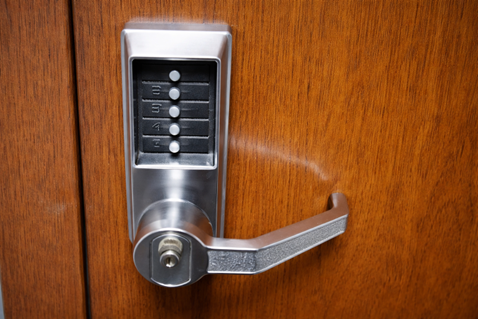
This is where access control becomes useful. Even a simple system that tracks who enters and exits can make a big difference. You do not have to go fully digital right away, but having a clear idea of who has access is important.
It also helps to set boundaries. Not everyone needs access to everything. Keeping certain areas restricted can protect sensitive equipment, inventory, or documents without making things complicated for your team.
Security is not only about keeping people out. It is also about what happens inside your business. Think about cash handling, storage of valuable items, and how your daily routines are set up.
For example, leaving cash in the same place every night or keeping expensive tools in plain sight can create unnecessary risk. Small adjustments like using safes, rotating routines, or simply being more mindful can reduce chances of problems.
Sometimes the best changes are the ones that do not cost anything at all, just a shift in habits.
Alarm systems have been around forever, but they are still one of the most effective tools. The sound alone can stop a situation from getting worse, and it also alerts you quickly when something is not right.
Modern systems are much easier to manage than older ones. You can get notifications straight to your phone, which means you are always in the loop even when you are not on site.
When people talk about Security Upgrades for Small Businesses, alarms often come up alongside cameras because they work well together. One deters and records, the other reacts instantly.
Even the best equipment will not help much if people are not paying attention. Your team plays a big role in keeping the business secure, whether they realize it or not.
Encourage simple habits like locking doors properly, not sharing codes, and reporting anything unusual. It does not have to feel strict or uncomfortable. Just keeping security part of everyday conversations can make it feel natural instead of forced.
People tend to care more when they understand why something matters, so a little communication goes a long way.
It is easy to get overwhelmed by all the options out there. Smart locks, cameras, alarms, access systems, it can feel like too much. The key is to start small and build from there.
Focus on what makes sense for your specific space and routine. A small shop does not need the same setup as a large warehouse. What matters is consistency. A few reliable systems used properly will always beat a complicated setup that nobody really understands.
Security is one of those things that does not always show its value right away. You might go months or even years without any issues, and that is exactly the point. It is about creating a space where problems are less likely to happen in the first place.
You do not need to get everything perfect overnight. Just take a step, then another. Look at your business with fresh eyes and ask yourself what feels off or outdated. Fixing those small things adds up faster than you think.
At the end of the day, feeling confident when you lock up and walk away is worth a lot. Not because something might happen, but because you know you have done your part to keep things safe.
Leave a Reply