
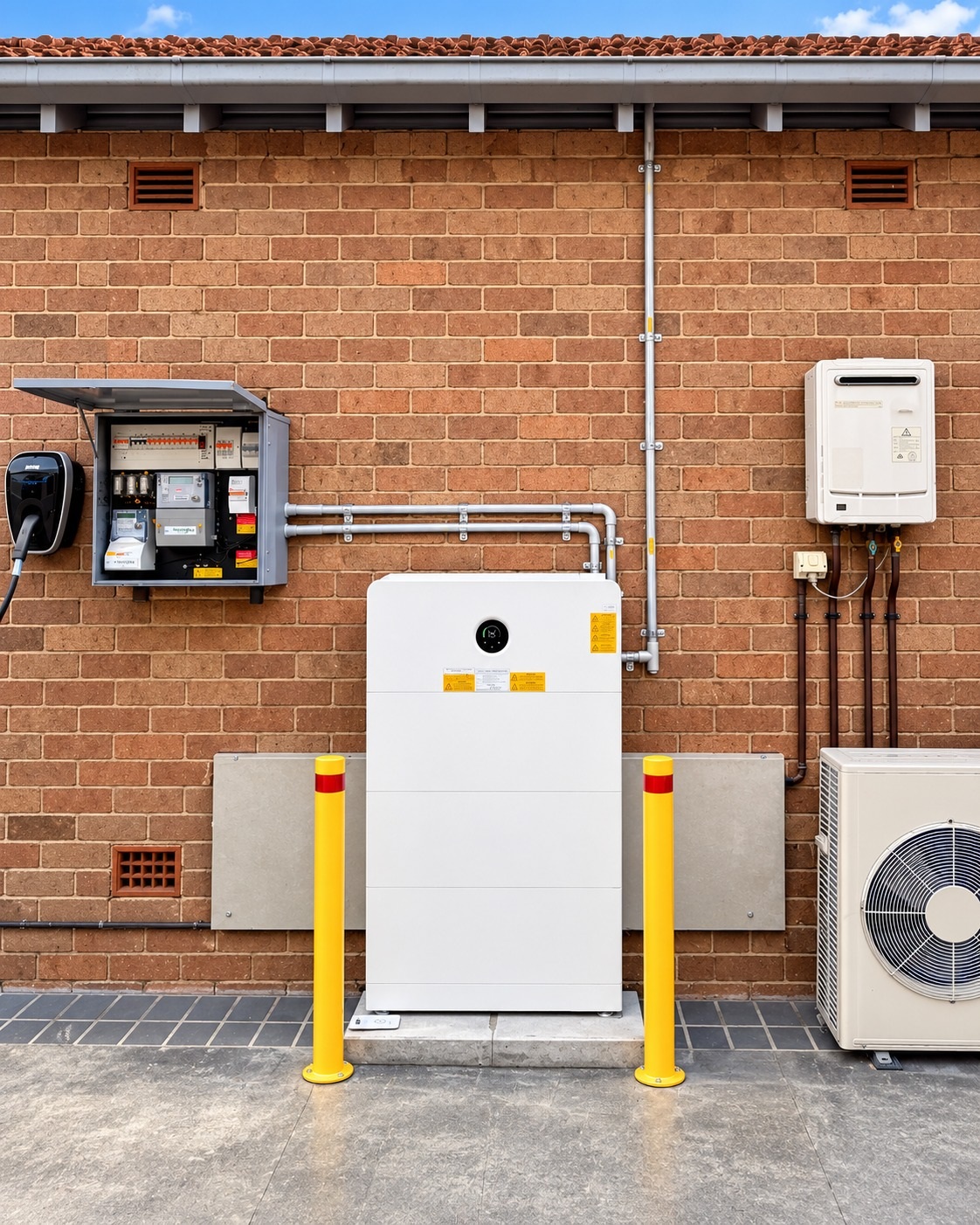
Have you ever looked at your solar panels working hard on a sunny afternoon and wondered how much of that electricity you could actually use later? It is a common question for homeowners who want to get more value from their solar systems. During the day, panels can generate more power than a household needs, but once evening arrives, electricity usage often increases again. A home battery helps bridge that gap by storing surplus solar energy for use when the sun is no longer shining. The trick is choosing a battery that suits your home, your budget, and your everyday routine.
A solar battery is not something most homeowners want to replace after just a few years. It is a long term investment, so looking beyond the initial price makes sense. Quality batteries are designed to store energy efficiently, manage charging and discharging safely, and work alongside compatible solar equipment. A well matched system can help reduce grid electricity use while making better use of the power your panels generate.
When comparing a Premium battery brand west ryde, start by looking at the features that genuinely matter to your household. Consider usable storage capacity, power output, warranty conditions, safety features, and the availability of technical support. These details can tell you much more about a battery’s suitability than a brand name or an attractive advertised price alone.
One of the easiest mistakes to make is choosing a battery that is too large or too small for your needs. A household that uses most of its electricity during the evening may benefit from a different storage capacity than a home where people work during the day and use appliances throughout daylight hours.
Take a look at your recent electricity bills and think about when your household consumes the most power. Air conditioning, cooking appliances, hot water systems, and electric vehicle charging can all affect your energy requirements. If you already have rooftop solar, checking how much surplus electricity you export can also help you understand how much energy might be available to store.
The aim is not to buy the biggest battery available. It is to find a practical balance between storage capacity, daily consumption, and your budget.
There is no single battery brand that works perfectly for every home. Different systems offer different capacities, inverter arrangements, monitoring features, and backup options. For example, Tesla Powerwall is a well known home storage option, while Sungrow and GoodWe offer battery solutions that can be integrated with compatible solar equipment.
Some homeowners may also consider Sigenergy, AlphaESS, or FoxESS, depending on the system design and available products. Each option should be assessed according to its specifications rather than popularity alone. Compatibility with your existing solar inverter is particularly important if you are adding storage to an older installation.
A qualified installer can help compare these options and explain which systems suit your property’s energy needs. This makes the decision easier, especially if technical specifications are not something you deal with every day.
Warranty coverage deserves careful attention before you make a final decision. Check the warranty period, any energy throughput or cycle limits, and the conditions that apply if the battery needs servicing. It is also worth confirming who handles warranty claims and whether support is available locally.
Safety is equally important. Ask about the battery’s protection systems, installation requirements, and suitable mounting location. A qualified professional should assess ventilation, clearances, weather exposure, and relevant electrical requirements before installation.
Modern batteries may also include smartphone apps that show charging levels, household consumption, and stored energy. These tools can help you understand how your system performs and identify opportunities to use more solar electricity rather than relying on the grid.
The cheapest battery is not always the most economical choice over time. A lower upfront price might look appealing, but you should also consider usable capacity, efficiency, warranty support, and the expected cost of installation. A system that fits your needs properly may deliver better value than one selected simply because it is on sale.
Homeowners researching a Premium battery brand west ryde should also consider future changes. You might plan to purchase an electric vehicle, add more appliances, or increase your household’s energy consumption in the coming years. Choosing a system that supports your realistic future needs can help avoid unnecessary upgrades later.
It is also sensible to compare the complete installation quote, including compatible inverters, electrical work, monitoring equipment, and any backup functionality you require. If government incentives are available, check the current eligibility conditions rather than assuming every system qualifies.
Choosing a solar battery becomes much simpler when you focus on how your household actually uses electricity. Compare reliable products, understand their specifications, and ask questions about installation, warranty coverage, and ongoing support. Taking time to assess these details can prevent costly surprises later.
A good battery should work quietly in the background, helping you use more of your own solar energy without making everyday life complicated. With careful planning and the right system for your needs, home energy storage can become a practical step towards lower grid dependence and a more efficient home.
Leave a Reply