
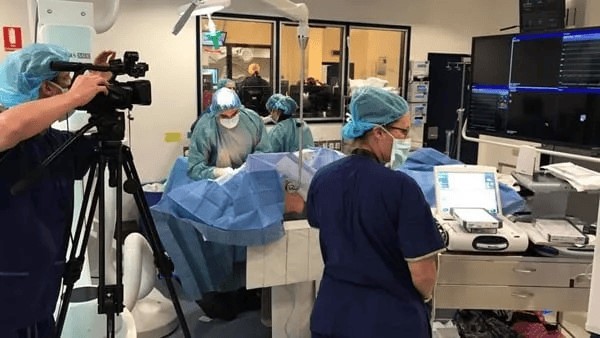
Australia has some of the most talented medical professionals in the world. But ask a specialist in Darwin or a GP in rural South Australia how easy it is to access quality continuing education and the answer tells a different story.
The conferences happen in Sydney and Melbourne. The specialist workshops fill up fast and cost a fortune to attend once you factor in flights and accommodation. The knowledge exists. Getting to it is the hard part.
This has been a quiet frustration in the medical community for a long time. And it has real consequences. Not just for practitioners who feel cut off from professional development. But for patients in regional areas whose doctors have fewer opportunities to stay current with the latest thinking.
That gap is starting to close. And webcasting is a big part of the reason why.
What Makes Medical Webcasting Different From Everything Else
Not all webcasting is created equal. And in a medical context that distinction matters more than in almost any other field.
A corporate webcast that drops out for thirty seconds is annoying. A medical education session covering a complex procedure or a new treatment protocol where the stream stutters and skips is a genuine problem. Participants miss critical information. The learning experience breaks down. And in a field where precision matters enormously, that is not acceptable.
The Compliance Layer That Cannot Be Ignored
Medical webcasting also carries obligations that other industries simply do not have to think about. Continuing professional development hours need to be verifiable. Accreditation bodies have standards around how content is delivered and recorded. Consent and privacy considerations around any clinical content are non negotiable.
This is why the infrastructure behind a medical webcast cannot be an afterthought. It has to be built around those requirements from the very beginning.
Medical Webcasting Services designed specifically for the healthcare sector understand this environment. They are not adapting a generic solution and hoping it fits. They are working within a framework that the medical community actually needs.
The Reach That Was Never Possible Before
Here is what gets genuinely exciting about this space. A specialist panel discussion that once reached two hundred people in a conference room can now reach two thousand practitioners across the country.
A rural GP can attend a live cardiology update from a clinic in Broken Hill. A physiotherapist in Townsville can join a live Q and A with leading researchers without taking a day off work. A hospital team in Perth can access training content being delivered simultaneously in Brisbane.
The scale of what becomes possible when you remove the geography barrier is significant. And the medical community is only beginning to tap into it properly.
Recording Changes the Value Equation Completely
Live attendance is valuable. But recorded access changes things even further.
When a medical education session is properly recorded and made available on demand, the reach extends beyond the live event entirely. Practitioners can revisit complex content. Those who could not attend live still get access. The knowledge does not disappear when the session ends.
That kind of lasting value is something Professional webcasting Australia wide is increasingly being built around. It is not just about the live moment anymore. It is about creating a resource that keeps delivering long after the stream goes offline.
The Responsibility That Comes With Getting This Right
There is something worth acknowledging here. Medical education is not just professional development. It feeds directly into patient care.
When a practitioner learns something new and applies it well, a patient somewhere benefits. That chain of impact is real and it starts with access to quality education.
Webcasting in this space carries that responsibility. Which is exactly why doing it properly matters so much.
Leave a Reply