
At some point, a lot of families notice the same thing happening in their home. The space that once felt perfectly fine suddenly starts feeling… not quite enough.
Things just build up over time. And slowly, a thought pops up in many households — what actually happens when the house doesn’t feel big enough anymore?
Interestingly, many families today aren’t rushing to move. Instead, they’re looking at the homes they already have and asking a different question: could this space simply work better?
This is usually where things begin to change. Areas that once seemed useless suddenly start looking like opportunities.
Things like:
Spaces like these often get ignored for years. But once families begin thinking about improving the house instead of leaving it, these areas start looking much more interesting.
In many London homes, the loft becomes the first place people look. Turning an attic into a usable room can make a big difference to the overall space. With the help of a professional loft conversion designer London homeowners trust that the unused roof area can become a bedroom, a study, or even a calm little retreat away from the busy parts of the house.
For a while, moving house stays in the conversation. It feels like the obvious solution when space starts running out. But once families look at the real costs—property prices, legal fees, and the disruption of relocating—they start thinking differently.
That’s when another thought appears: How can unused space in a house be turned into a functional room? For many households, improving the existing home becomes the smarter option.
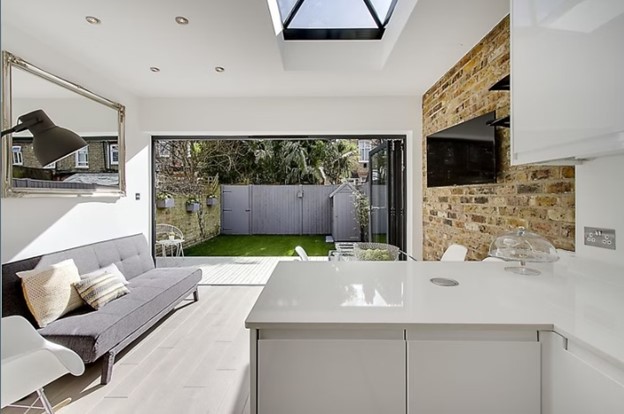
Extensions are one of the most common ways families create extra space. A rear extension, for example, can completely change how the ground floor feels. Kitchens become larger, living areas open up, and suddenly the house feels far less cramped.
Of course, building work usually involves some planning and approval steps first. Many homeowners need to understand the planning permission for house extensions London regulations before any construction begins.
At first, this part can seem confusing. Paperwork and local rules aren’t exactly exciting topics. But with proper guidance from designers or architects, the process tends to become much clearer.
Not every solution involves builders or construction, though. Some families discover that small adjustments inside the house already help a lot.
Rearranging how rooms are used can open up space that wasn’t obvious before. For example:
These ideas may sound simple, but the effect can be surprisingly noticeable. Sometimes the house doesn’t actually need more space — it just needs to use the existing space differently.
More homeowners are starting to see their property as something that can evolve over time. With thoughtful design and planning, a house can adapt as life changes.
A loft can become a peaceful office. An extension might turn a cramped kitchen into a lively family hub.
Even minor layout changes can make a home feel more open and comfortable. And for many families right now, that approach feels far easier than packing everything into boxes and starting again in a completely new place.
Leave a Reply