
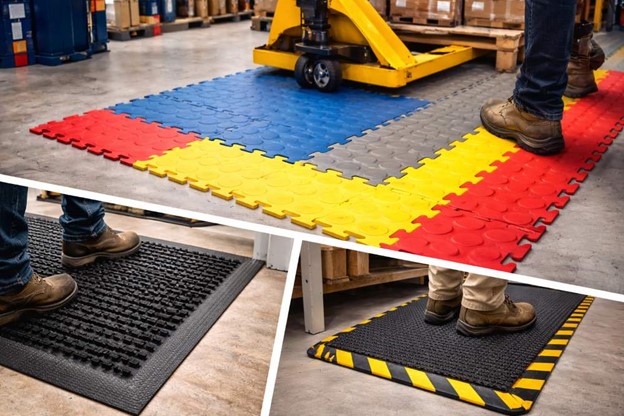
Step into a warehouse, and the first thing you notice is movement. Forklifts passing. Workers walking with purpose. Goods are shifting from one place to another. Everything feels active, almost constant.
But beneath all that movement, there is one thing holding it all together. The floor. It may not seem like the most interesting part of a warehouse, but it carries everything. Every load. Every step. Every long hour of work. And when something goes wrong at that level, the impact is immediate.
Safety in warehouses is often linked to equipment and training. Those things matter a lot. But the condition of the floor is just as important, if not more in some cases.
A smooth but slippery surface can turn risky in seconds. A damp patch, a bit of dust, or even constant wear can create hazards that are easy to miss. People get used to the space and stop noticing the small changes. And that is when accidents happen. This is why flooring safety needs more attention than it usually gets.
A well-managed floor is not just clean. It is consistent. It offers grip. It supports movement without causing strain. When workers feel stable, they move with more confidence. They do not hesitate or second-guess their steps. That sense of control makes a big difference in busy environments.
Simple additions can support this in quiet ways. Placing outdoor mats at entry points helps reduce the amount of dirt and moisture coming inside. It creates a first layer of protection before anything spreads across the floor. It might feel like a small step, but it helps keep the entire space safer over time.
Inside the warehouse, mats can also be used in areas where people stand for long periods. Packing zones. Inspection points. Workstations where movement slows down and pressure on the body increases. Here, surfaces that offer a bit of support can reduce fatigue. Less fatigue means better focus. And better focus means fewer mistakes.
There is also a visual side to safety that people do not always think about. Clear spaces, defined zones, and organised layouts help guide movement. When the environment feels structured, people naturally move with more awareness.
Even elements like custom branded mats can contribute to this. Not in an obvious way, but in how they help define areas and keep spaces tidy. A neat and organised floor sends a signal. It tells workers that the space is maintained and that safety matters here. That feeling influences behaviour more than rules alone.
Warehouses are fast-paced. There is always something happening. In such environments, safety cannot rely only on attention and training. It needs support from the space itself. And that support begins from the ground.
A safe floor is not just about preventing slips. It is about creating a base where people can move freely, work comfortably, and stay focused throughout the day. It is quiet work. Often unnoticed when everything is going well. But it is always there, holding everything in place.
Leave a Reply